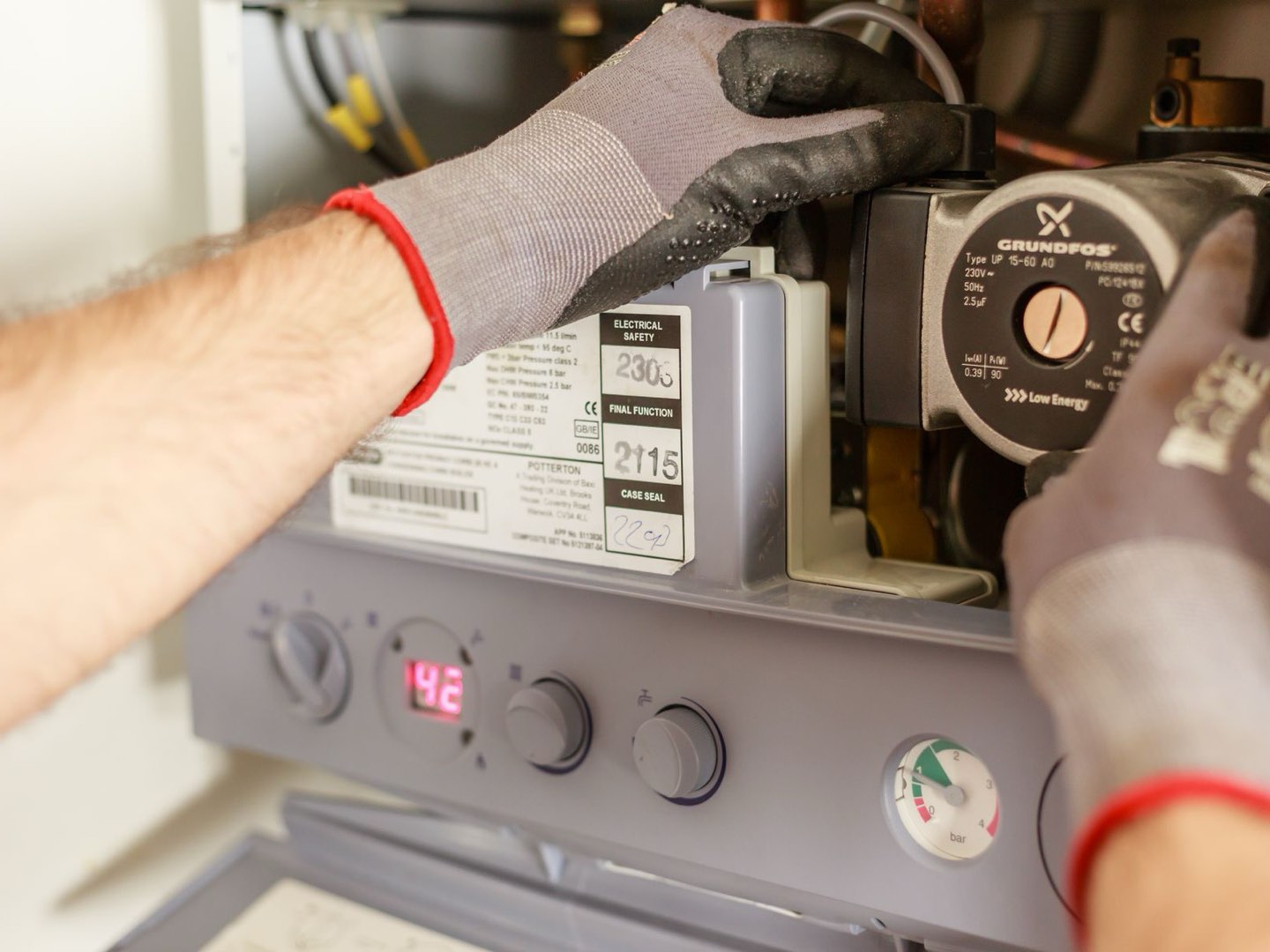
If your water heater is not getting hot, the problem could be as simple as a power or temperature setting issue or it could indicate a failed heating component, sediment buildup, ignition problem, or an aging water heater.
The first thing to determine is whether you have no hot water at all or whether your water simply is not getting as hot as it used to. That difference can provide an important clue about what is happening inside your water heater.
For homeowners in Longview, TX, a sudden loss of hot water can disrupt everything from morning showers to laundry and dishes. Some basic checks can help narrow down the problem, but water heater repairs involving electricity, gas, burners, heating elements, or internal components should be handled by a qualified plumber.
Common Reasons Your Water Heater Is Not Getting Hot
Water heaters have several components working together to heat and deliver water throughout your home. When one of those components stops working correctly, you may notice completely cold water, lukewarm water, inconsistent temperatures, or hot water that runs out much faster than normal.
Here are some of the most common reasons a water heater stops producing enough hot water.
1. The Water Heater Is Not Receiving Power
For an electric water heater, one of the first possibilities is a loss of electrical power.
A tripped circuit breaker can prevent the water heater from operating. If your home recently experienced a power outage or electrical issue, check your electrical panel to see whether the breaker serving the water heater has tripped.
If the breaker trips again after being reset, do not continue resetting it. Repeatedly tripping breakers can indicate an electrical or water heater problem that needs to be professionally inspected.
A water heater that has power but still produces completely cold water may have a problem with a thermostat, heating element, safety control, or another internal component.
2. The Temperature Setting Is Too Low
Sometimes the water heater is working, but the temperature setting is lower than expected.
This is especially noticeable when the weather changes, more people begin using hot water, or someone has recently adjusted the water heater.
If your water is warm but never becomes properly hot, the temperature setting may be part of the problem. However, homeowners should avoid turning the temperature excessively high. Water that is too hot can create a serious scalding risk.
If the temperature setting appears normal but the water remains lukewarm, there may be another problem preventing the water heater from reaching or maintaining the desired temperature.
3. An Electric Heating Element Has Failed
Traditional electric tank water heaters typically use heating elements to warm the water inside the tank.
If one of those elements fails, the symptoms can vary.
A failed upper heating element may result in little or no hot water. A problem with a lower element may allow the unit to produce some hot water but cause you to run out much faster than you normally would.
Testing or replacing a heating element requires working around high-voltage electrical components. This is a job that should be left to someone with the proper training and equipment.
4. A Gas Water Heater Has an Ignition Problem
Gas water heaters require a working burner and ignition system to heat the water.
Depending on the age and design of the water heater, this may involve a standing pilot light or an electronic ignition system.
If the burner cannot ignite, the tank will gradually lose its supply of hot water. Some units may also display a status light or diagnostic code when something is wrong.
Homeowners should follow the manufacturer's instructions printed on their specific water heater rather than attempting unfamiliar repairs.
If you smell gas near your water heater or anywhere else in your home, leave the area and contact your gas provider or emergency services from a safe location. Do not attempt to diagnose the water heater yourself.
5. Sediment Has Built Up Inside the Tank
Sediment buildup is a common problem with traditional tank-style water heaters.
Minerals naturally present in water can settle at the bottom of the tank over time. As this layer grows, it can interfere with the water heater's ability to transfer heat efficiently.
You may notice:
- Hot water running out faster than it used to
- Water taking longer to heat
- Inconsistent water temperatures
- Rumbling or popping noises from the tank
- Higher energy use
- Reduced overall water heater performance
Sediment buildup generally develops gradually, which is why homeowners may not notice the change immediately. The water heater may simply seem to perform a little worse each year until the problem becomes obvious.
Regular water heater maintenance can help identify buildup and other developing problems before they result in a complete loss of hot water.
6. Your Household Is Using Hot Water Faster Than the Heater Can Recover
Not every hot water problem means something is broken.
Traditional storage water heaters hold a limited amount of hot water. If several people shower within a short period, the dishwasher is running, or laundry is being washed with hot water at the same time, the household can temporarily use hot water faster than the water heater can replace it.
If the water becomes hot again after giving the heater time to recover, the unit may simply be struggling to keep up with demand.
However, if this starts happening frequently when it never did before, the problem could be reduced heating performance rather than increased water use.
A plumber can determine whether the existing unit needs repair or whether its capacity is no longer appropriate for the household.
7. One Faucet or Shower May Be the Actual Problem
Before assuming that your water heater has failed, check the hot water at several fixtures around your home.
If the kitchen sink has hot water but one shower does not, for example, the water heater itself may be working correctly.
Problems with a faucet cartridge, shower valve, or mixing valve can affect the temperature at an individual fixture. A malfunctioning fixture may mix too much cold water with the hot supply, making it seem like the water heater is not heating properly.
If every hot water fixture in the house has the same problem, the water heater becomes a much more likely cause.
8. A Tankless Water Heater May Need Service
Tankless water heaters operate differently from traditional storage tanks, but they can still experience problems that affect water temperature.
Depending on the system, possible issues can include:
- Mineral or scale buildup
- Restricted water flow
- Ignition problems
- Dirty components
- Faulty temperature sensors
- Flow sensor problems
- Error codes
- Gas or electrical supply issues
One advantage of many modern tankless systems is that they can display an error code when something goes wrong. That code can help a professional technician narrow down the cause of the problem.
Do not assume that a tankless water heater needs replacement simply because the water temperature has become inconsistent. Many performance problems can be corrected through professional maintenance or repair.
No Hot Water vs. Not Enough Hot Water
The exact symptom you are experiencing can help narrow down the possible cause.
You Have No Hot Water at All
Completely cold water throughout the house may point toward problems such as:
- Loss of electrical power
- A failed heating element
- A thermostat or safety control problem
- A gas ignition problem
- A burner that is not operating
- A water heater component failure
When every fixture suddenly loses hot water, it is usually worth having the water heater inspected.
You Have Some Hot Water, but It Runs Out Quickly
If your shower starts hot but turns cold much sooner than normal, the water heater is still doing some work.
Possible causes include sediment buildup, a failing heating component, increased household demand, an undersized water heater, or another internal problem reducing the amount of usable hot water.
Your Water Is Only Lukewarm
Water that never becomes fully hot can indicate a temperature control problem, heating element issue, excessive mixing with cold water, or reduced water heater performance.
Check several fixtures before assuming that the water heater is responsible.
Your Hot Water Temperature Keeps Changing
Hot and cold fluctuations can occur when a water heater is struggling to maintain temperature, but the water heater is not always the source.
If the temperature only changes at one shower or faucet, the fixture itself may be the problem. If it happens throughout the house, the water heater deserves closer inspection.
What Can You Check Before Calling a Plumber?
There are a few simple observations homeowners can make without taking the water heater apart.
First, check more than one faucet. Determine whether the problem affects the entire house or only one fixture.
Next, think about recent hot water use. If several showers, appliances, or fixtures have been using hot water at once, give a tank-style water heater time to recover.
For an electric unit, check the circuit breaker. If it has tripped, it may explain the loss of hot water. If it trips repeatedly, stop resetting it and have the system inspected.
Also, look around the water heater for visible water. Moisture around the tank, connections, or nearby floor may indicate a leak that needs attention.
Finally, listen for unusual sounds. New popping, rumbling, banging, or other noises can provide another sign that the water heater needs service.
You should not need to remove electrical panels, disconnect wiring, work on gas components, or disassemble the water heater to determine whether it is time to call a plumber.
When Should You Call a Plumber for a Water Heater?
It is generally time to schedule professional water heater service when:
- You have no hot water throughout the house
- Hot water runs out significantly faster than it used to
- The water never gets hotter than lukewarm
- The water heater repeatedly trips a circuit breaker
- A tankless unit displays an error code
- You hear new or unusual noises from the water heater
- Water is leaking around the unit
- You notice rust or corrosion
- The problem keeps returning
- Your water heater is older and frequently needs repairs
A professional inspection can determine whether the water heater needs a relatively straightforward repair, maintenance, or complete replacement.
Should You Repair or Replace Your Water Heater?
A water heater that is not getting hot does not automatically need to be replaced.
If the unit is otherwise in good condition, repairing a failed component may restore normal operation. The decision becomes more complicated when an older water heater begins needing frequent repairs, develops corrosion, leaks from the tank itself, or no longer provides enough hot water for the household.
Traditional tank and tankless water heaters also have different expected service lives. Maintenance, water quality, installation quality, usage, and the specific equipment can all affect how long a system lasts.
Instead of replacing a water heater based only on its age, consider its overall condition and repair history.
If replacement makes more sense, a plumber can also help determine what size and type of water heater is appropriate for the home's hot water needs.
Water Heater Repair in Longview, TX
Losing hot water does not always mean you need a new water heater, but it does mean something in the system deserves attention.
Richard Holt Plumbing provides water heater repair and replacement services for homeowners in Longview and surrounding East Texas communities. Whether your water is completely cold, takes too long to heat, runs out too quickly, or your water heater simply is not performing the way it used to, identifying the actual cause is the first step.
Professional water heater service can help determine whether maintenance, repair, or replacement is the right solution for your home.
If your water heater is not getting hot, contact Richard Holt Plumbing to have the problem inspected and get your hot water running normally again.
Frequently Asked Questions About Water Heaters
Why is my water heater running but the water is not hot?
If the water heater appears to be operating but the water stays cold or lukewarm, there may be a problem with a heating element, thermostat, burner, ignition system, temperature control, or another internal component. Checking several faucets can help determine whether the issue affects the entire home.
Why do I suddenly have no hot water?
A sudden loss of hot water can result from a tripped breaker, failed electrical component, gas ignition problem, safety control, or another water heater failure. If hot water is unavailable throughout the entire house, the water heater should be inspected.
Why does my hot water run out so quickly?
Your household may be using hot water faster than a storage water heater can recover. If the problem is new, however, sediment buildup, a failing heating component, or reduced water heater performance may be limiting the amount of usable hot water.
Can sediment cause a water heater to stop getting hot?
Sediment can reduce the performance of a tank-style water heater by accumulating at the bottom of the tank and interfering with heat transfer. Heavy buildup can contribute to slower heating, less available hot water, unusual noises, and additional strain on the system.
Why is my shower cold when other faucets have hot water?
If hot water works normally elsewhere in the house, the problem may be located at the shower rather than the water heater. A shower cartridge, mixing valve, or another fixture component may be allowing too much cold water into the mixture.
Is it safe to reset my water heater breaker?
If the water heater breaker has tripped, homeowners can check the electrical panel and reset the breaker if appropriate. If it trips again, do not repeatedly reset it. A recurring trip may indicate an electrical or water heater problem that requires professional diagnosis.
How do I know if my water heater needs to be replaced?
Replacement may be worth considering when a water heater is leaking from the tank, experiencing significant corrosion, requiring frequent repairs, or no longer meeting the home's hot water needs. Age is one consideration, but the condition and repair history of the water heater are also important.
Who repairs water heaters in Longview, TX?
Richard Holt Plumbing provides water heater repair and replacement services in Longview and surrounding East Texas areas. A professional inspection can identify why the water heater is not getting hot and determine whether repair, maintenance, or replacement is the appropriate next step.